
Lasting change depends on everyone being involved. That is why Vivons en Forme (VIF®) offers training and practical programmes designed to help professionals and local stakeholders implement effective health-prevention initiatives.
Drawing on field experience, expert input and ready-to-use resources, VIF® training strengthens skills across key everyday health themes including nutrition, physical activity, sleep, wellbeing, early childhood and family support.
Designed to be practical, accessible and adaptable to local realities, these programmes equip professionals to work effectively with children, families and residents and to support healthier habits over the long term.
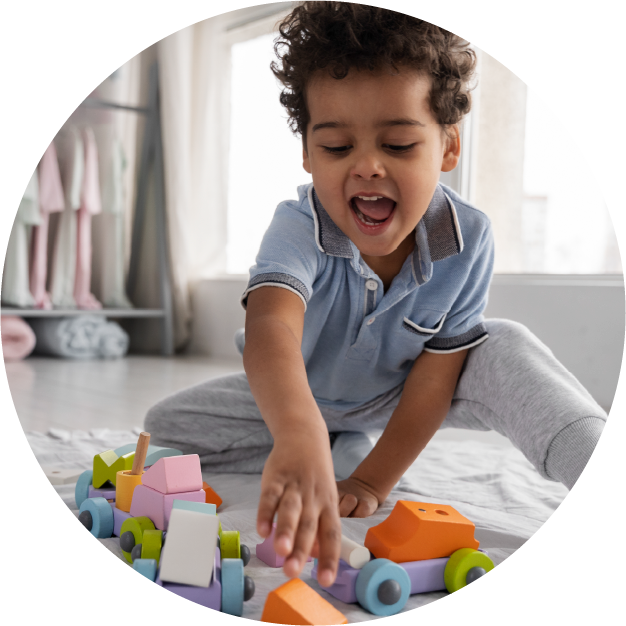
This two-part course provides the essentials for understanding children’s nutritional needs: meal patterns, balanced meals, suitable portions, hunger and fullness cues, the place of treats, and the importance of water, fruit and vegetables. It combines practical guidance with engaging workshop activities.
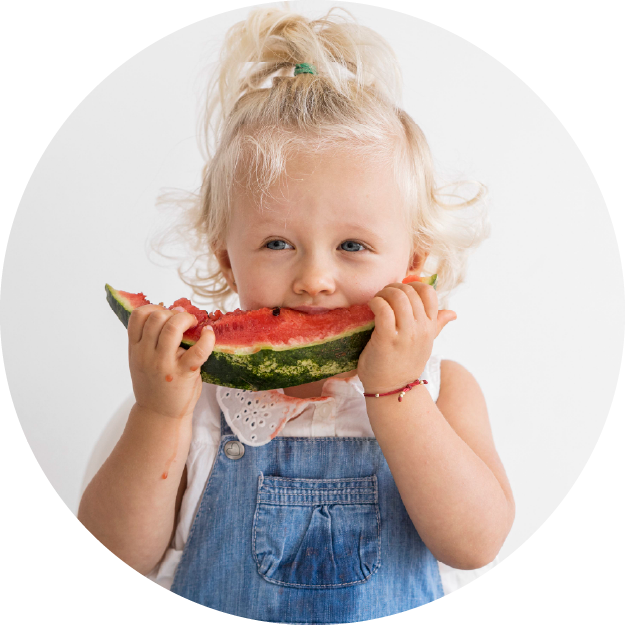
This two-part course gives professionals the knowledge they need to understand children’s dietary needs and support the development of healthy habits over time. It covers meal patterns, nutritional requirements, suitable portions, hunger and fullness cues, fruit, vegetables, water and treats, using practical workshops and tools that can be reused directly in the field.
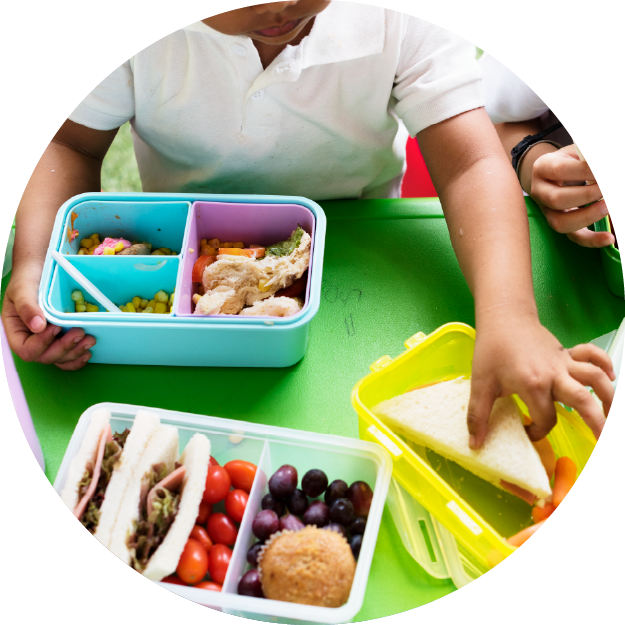
How can school catering be improved and valued in all its dimensions? This course addresses the dining environment, menus and portion sizes, adult-child interactions, the educational role of mealtimes, taste education, learning to eat together and reducing food waste.

This two-part course helps professionals support children towards a healthier relationship with screens and better sleep. It provides practical guidance on understanding the impact of screens, promoting alternative activities and encouraging habits that support restorative sleep, using engaging workshops and reusable tools.
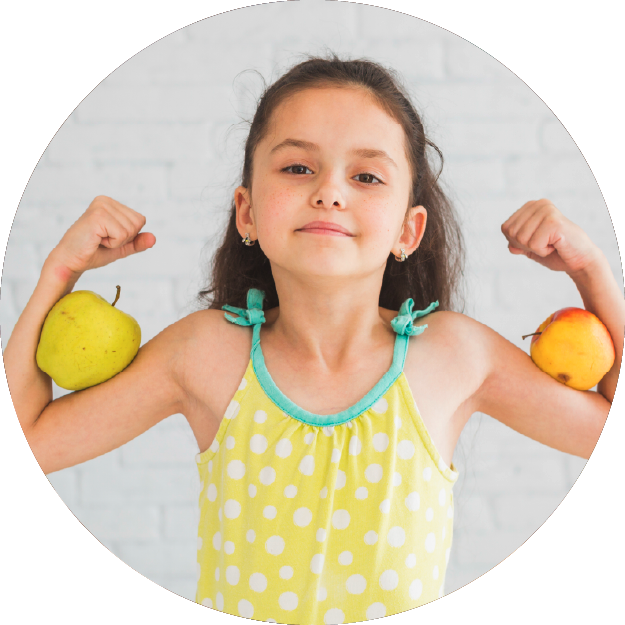
This course gives children practical ways to understand their emotions and look after their wellbeing. It includes playful activities and simple relaxation techniques to support concentration and help children return to a calm state.
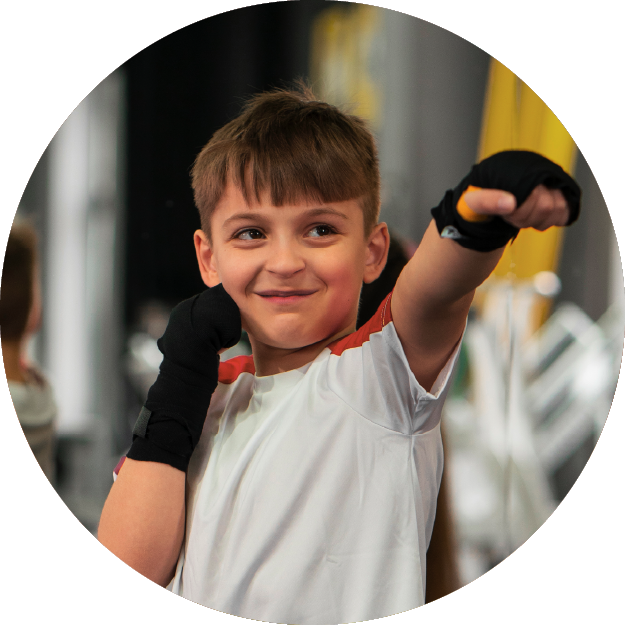
This training gives professionals practical ways to encourage regular physical activity in children and families. It focuses on making movement accessible, enjoyable and easy to integrate into everyday life, with tools and activities that can be reused locally.

This activity helps professionals run a simple, quick and accessible walking test to encourage regular physical activity. It provides practical benchmarks and resources to raise awareness of the benefits of walking for physical health, mental wellbeing and everyday quality of life.
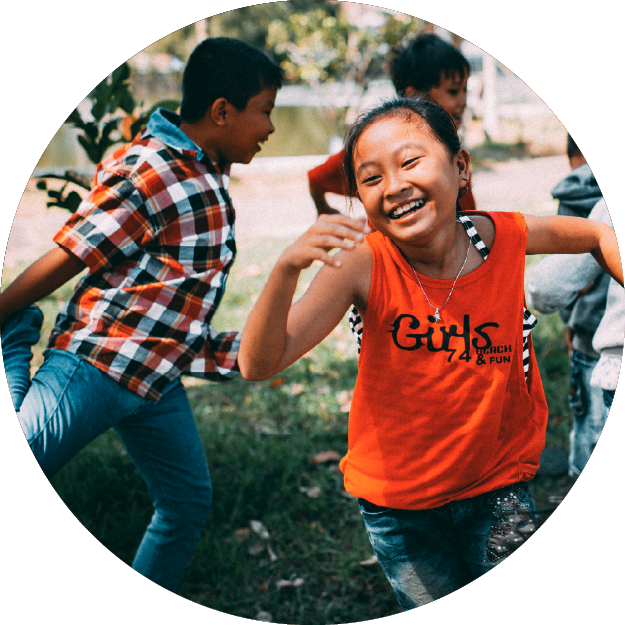
This course helps professionals understand key health issues during adolescence and support young people towards balanced lifestyles. Through a practical and engaging approach, it provides tools for discussing physical activity, nutrition, screen use and sleep with teenagers.
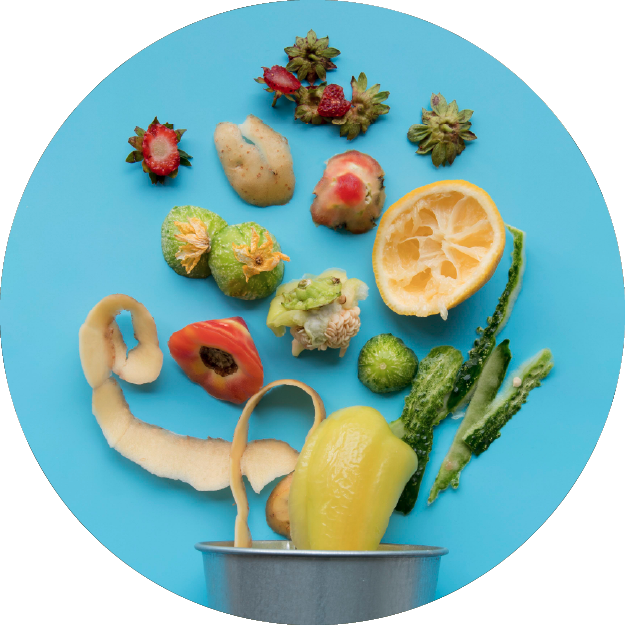
This course supports professionals working with people experiencing financial hardship to promote balanced, affordable eating that fits everyday constraints. It provides practical guidance, facilitation tools and ready-to-use workshops to challenge misconceptions and help families adopt healthier eating habits.
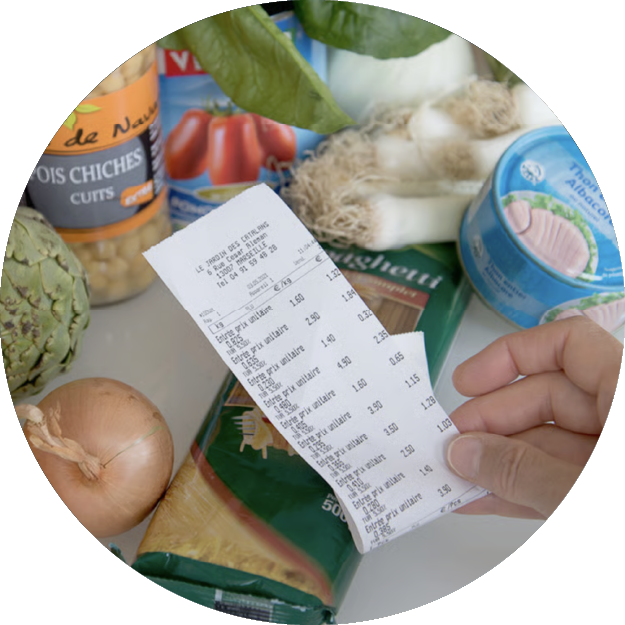
This course helps professionals working with low-income households run workshops on food budgeting and everyday shopping. It provides practical tools for combining a limited budget with a balanced diet and for supporting gradual changes in purchasing habits.
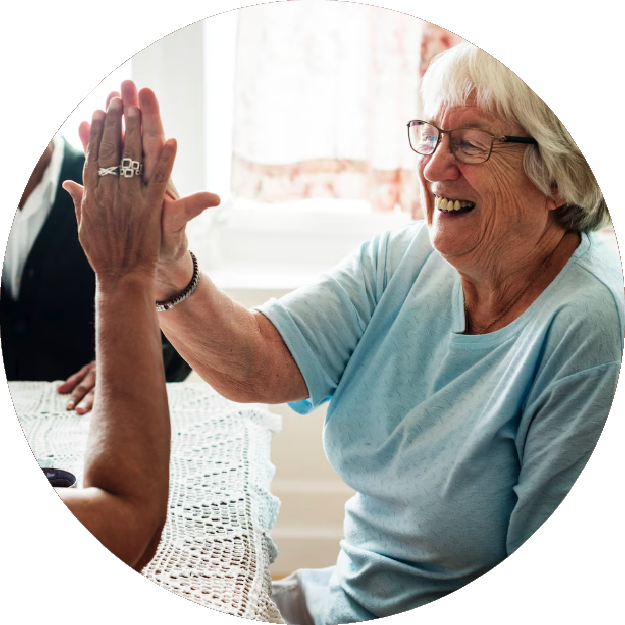
This course equips professionals to support older people in adopting healthier habits around wellbeing, nutrition and physical activity. It provides practical tools to encourage independence, maintain social connection and support beneficial daily routines, while creating opportunities for intergenerational activities.
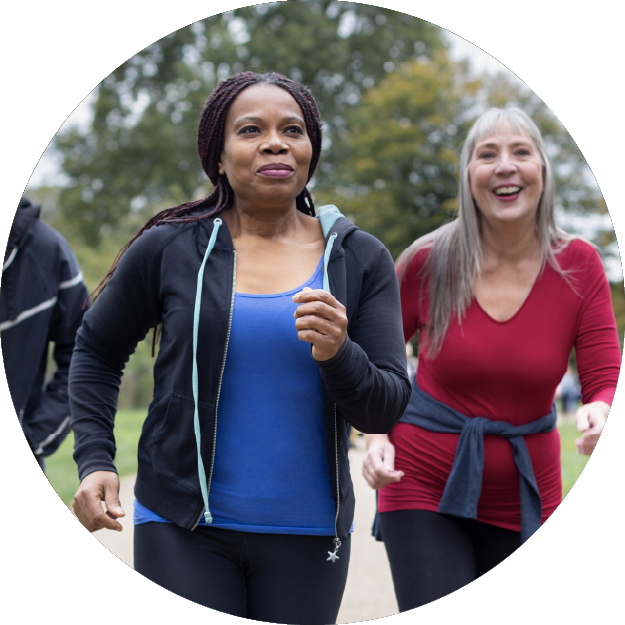
This course gives professionals and volunteers the foundations of healthy eating so they can better support adults in everyday life. It covers practical health behaviours, food-label reading and the links between nutrition, physical activity and sleep.

This course helps professionals and volunteers strengthen their understanding of adults’ nutritional needs and the principles of a balanced diet. It provides practical guidance on building balanced meals, understanding food groups and reading labels effectively.

This course helps professionals promote the importance of breakfast to children aged 4 to 11 and their families. It provides practical resources and activities to explore different breakfasts, build balanced meals and encourage healthy habits from the start of the day.
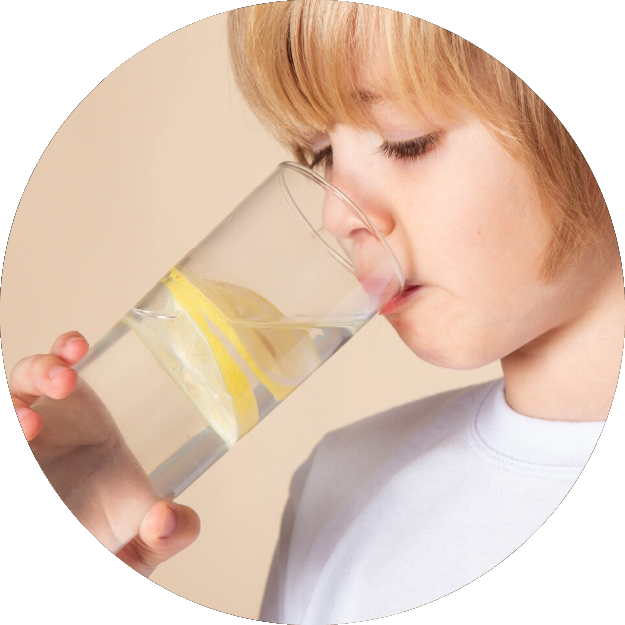
This course helps professionals teach children why water should be the drink of choice. It includes playful activities and practical resources to make water more appealing, engage the senses, encourage regular drinking and involve families.

This course helps professionals encourage children aged 4 to 11 to enjoy fruit in a positive and playful way. It includes practical activities around discovering fruit, gardening, sensory exploration, preparation and tasting, helping to build curiosity and healthier eating habits.
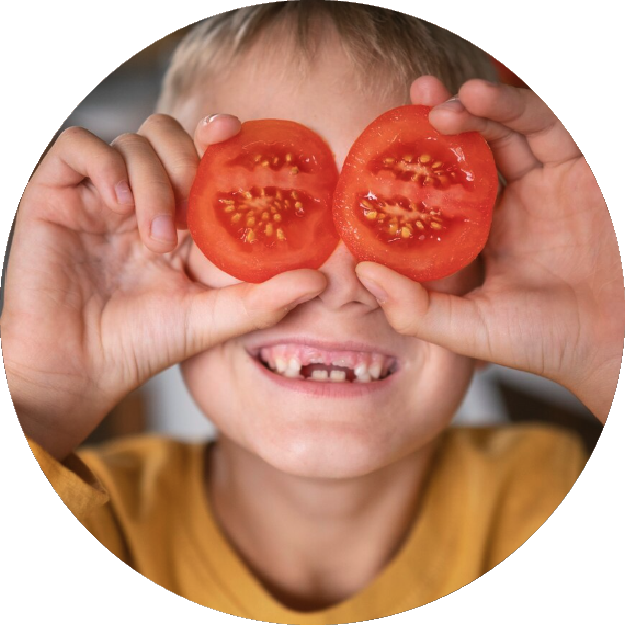
This course helps professionals encourage children aged 4 to 11 to enjoy vegetables in a playful and positive way. It provides practical activities around discovering vegetables, gardening, sensory exploration, preparation and tasting, helping children become more curious and develop healthier eating habits.

This course helps professionals run sensory workshops that encourage children to discover food in new ways. Using all five senses, the activities build curiosity, enrich vocabulary around taste and make trying new foods enjoyable in a playful group setting.
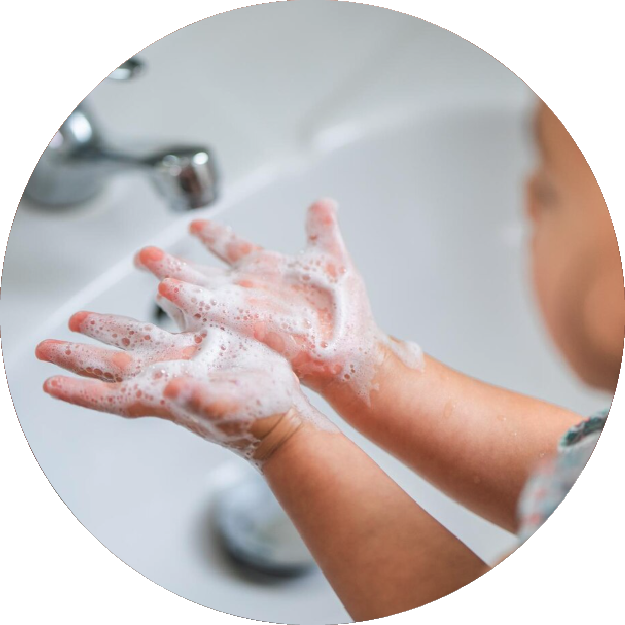
This course helps professionals teach children aged 6 to 11 why hand hygiene matters through playful, participatory activities. It provides practical tools to explain how handwashing helps prevent illness, establish everyday routines and make children active participants in their own health.
[pdf_embed url= »https://vivonsenforme.org/wp-content/uploads/2022/05/ASPIRE_livre_blanc_VF.pdf »]